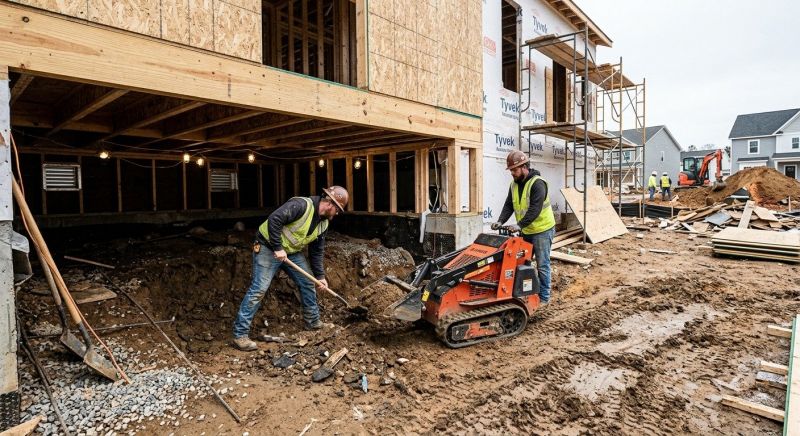
Crawlspace Excavation in Houston, TX
Crawlspace excavation services involve removing soil, debris, or damaged materials from beneath a property to create a stable, accessible space. This process is often necessary for projects such as foundation repair, moisture control, mold remediation, or preparing the area for insulation and vapor barriers. Homeowners considering crawlspace excavation should understand the scope of work involved, including the potential need for additional repairs or improvements to ensure the space remains dry and structurally sound.
Before requesting crawlspace excavation, property owners typically want to know about the extent of excavation required, the impact on the existing foundation, and any necessary permits or inspections. It’s also important to consider how the work will affect the property’s drainage and ventilation systems. Clear communication about project goals and potential challenges can help ensure the excavation process aligns with long-term property maintenance and safety needs.
Many property owners in Houston, TX look into Crawlspace Excavation for repairs, replacements, upgrades, and appearance-related improvements.
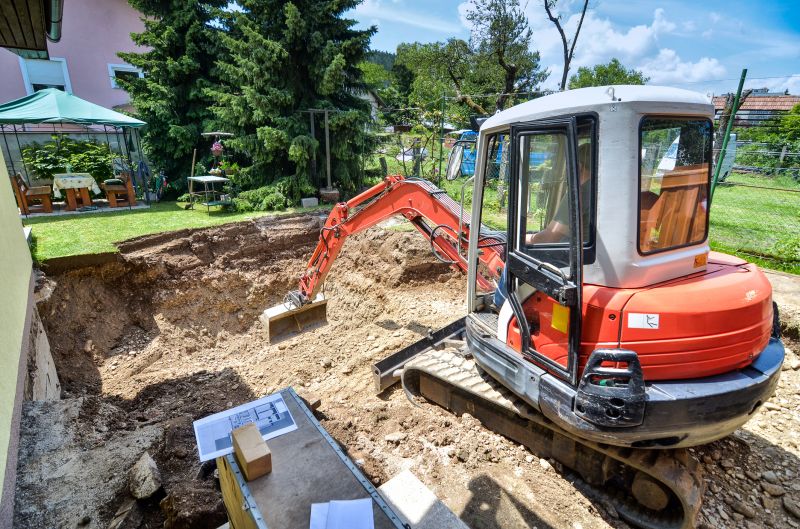
Foundation Protection
Excavating crawlspaces helps prevent structural issues caused by moisture and soil shifting.
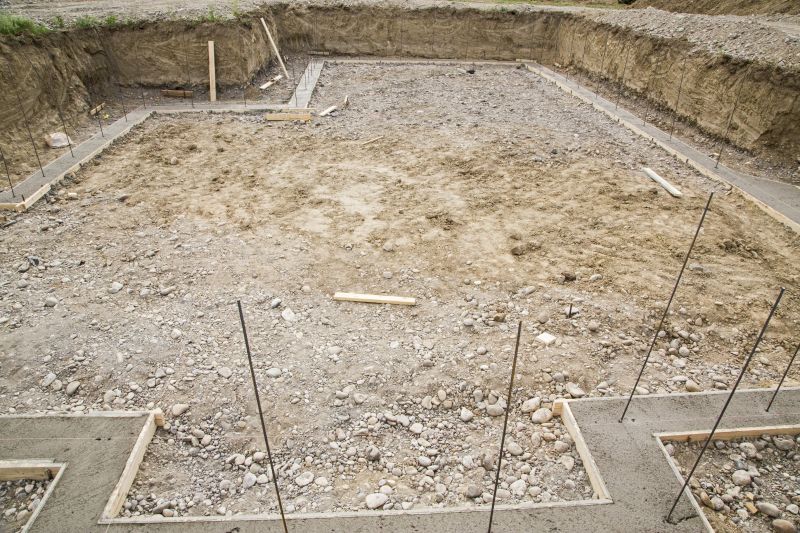
Moisture Control
Proper excavation allows for effective moisture barriers to keep crawlspaces dry and reduce mold growth.
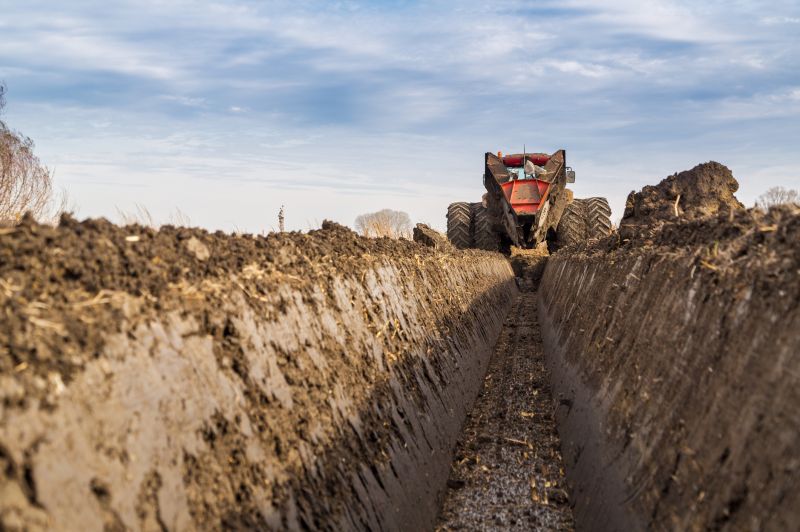
Pest Prevention
Clearing out and sealing crawlspaces deters pests and rodents from entering the home.
Crawlspace Excavation in Houston, TX
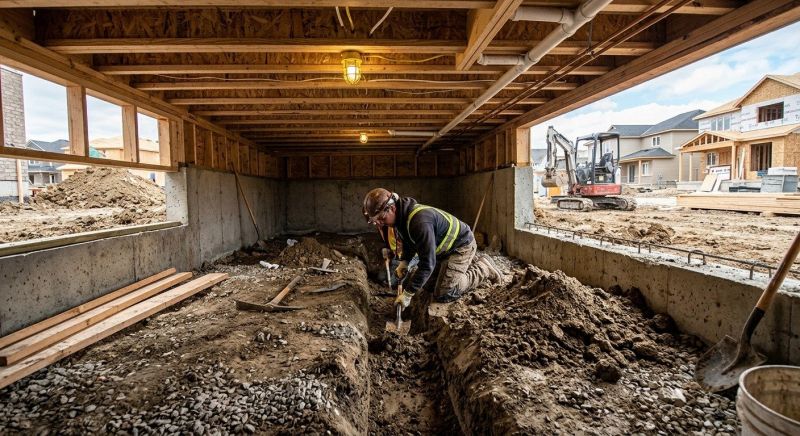
Crawlspace excavation services involve removing soil, debris, or damaged materials from beneath a property to create a stable, accessible space. This process is often necessary for projects such as foundation repair, moisture control, mold remediation, or preparing the area for insulation and vapor barriers. Homeowners considering crawlspace excavation should understand the scope of work involved, including the potential need for additional repairs or improvements to ensure the space remains dry and structurally sound.
Before requesting crawlspace excavation, property owners typically want to know about the extent of excavation required, the impact on the existing foundation, and any necessary permits or inspections. It’s also important to consider how the work will affect the property’s drainage and ventilation systems. Clear communication about project goals and potential challenges can help ensure the excavation process aligns with long-term property maintenance and safety needs.
Many property owners in Houston, TX look into Crawlspace Excavation for repairs, replacements, upgrades, and appearance-related improvements.
Common Crawlspace Excavation Jobs
Crawlspace excavation involves removing soil or debris to improve access and ventilation.
Foundation repair prep prepares the crawlspace for structural reinforcement or waterproofing.
Moisture and mold mitigation helps reduce humidity and prevent mold growth in the crawlspace.
Pest and debris removal clears out pests, debris, and organic material to promote a healthier environment.
Access opening installation creates or enhances entry points for inspection and maintenance.
Flood prevention solutions involve excavating to improve drainage and reduce water intrusion risks.
Crawlspace Excavation Questions
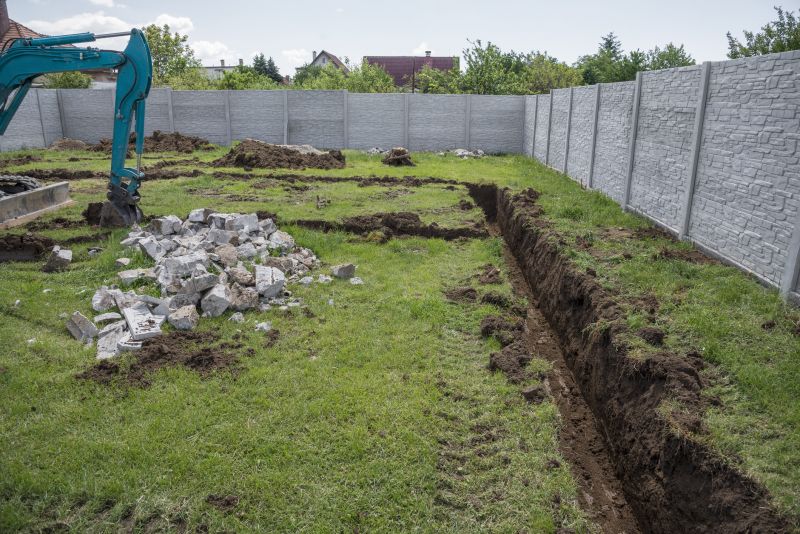
What is crawlspace excavation? Crawlspace excavation involves removing soil or debris from beneath a building to improve access, ventilation, and foundation stability.
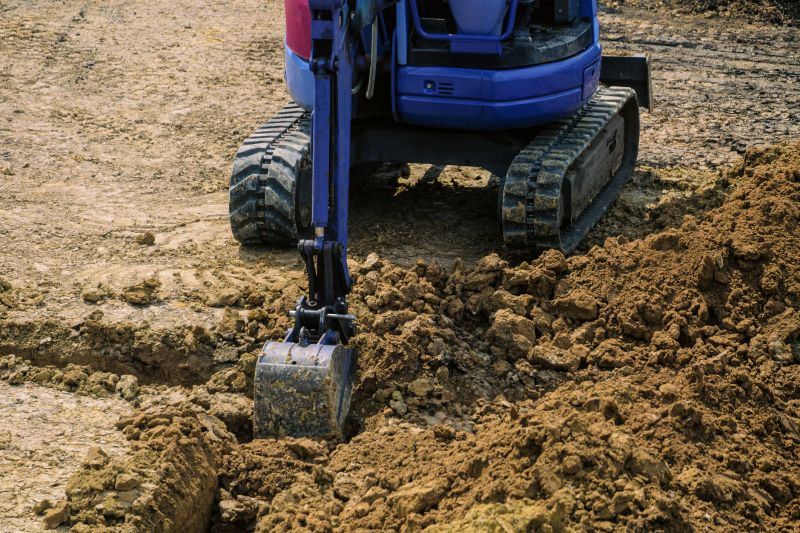
Why consider crawlspace excavation? It helps prevent moisture problems, reduces pest issues, and supports proper foundation drainage for property stability.
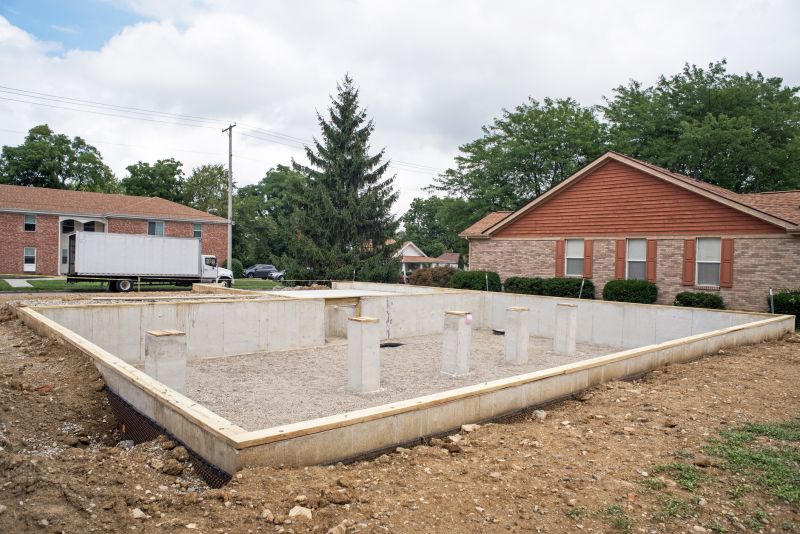
What types of projects require crawlspace excavation? Projects include foundation repair, moisture control, mold prevention, and preparing for insulation or waterproofing work.
Is crawlspace excavation suitable for all properties? It is typically recommended for properties with poor drainage, excess moisture, or foundation concerns in the Houston area.
Request Crawlspace Excavation in Houston, TX
Use the quote form on this page to share the basics of your project and request more information for the type of work you need.